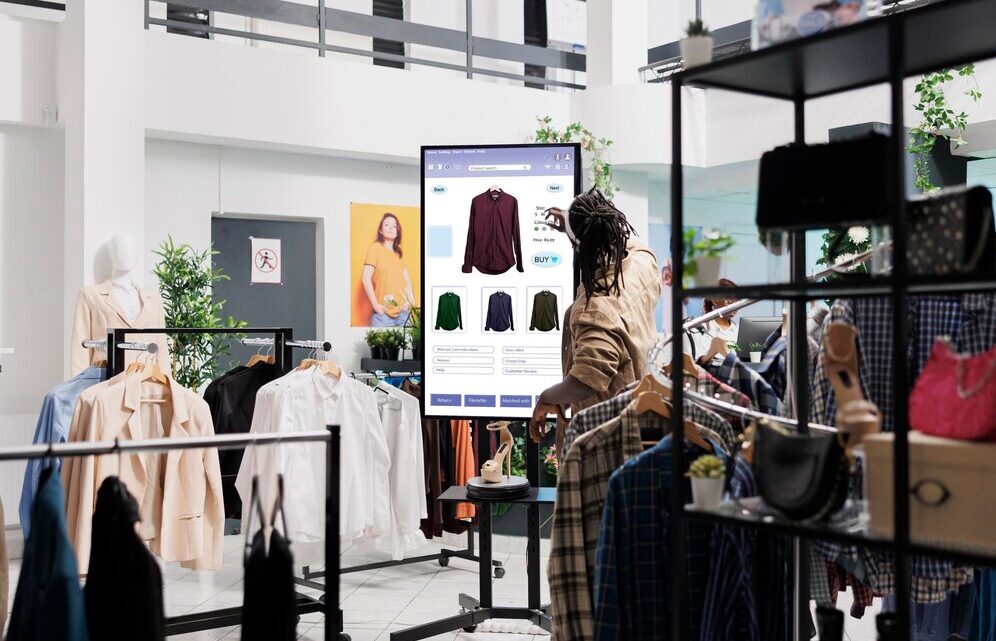
How Online Platforms Are Transforming the High-Fashion Industry
March 17, 2025In the digital age, the high-fashion industry is literally being reshaped by the advent of online platforms, creating a dynamic interplay between technology and fashion like never before. This transformation is driven not only by the influence of e-commerce but also by social media, virtual showrooms, and digital fashion shows that have expanded the reach and accessibility of luxury brands. As these platforms continue to evolve, they raise the stakes for designers, fashion houses, and consumers alike.
The Rise of E-Commerce in High Fashion
E-commerce has become a game-changer for the luxury fashion market. With platforms such as Farfetch, Net-a-Porter, and Mr Porter leading the charge, the global fashion market has experienced a seismic shift. Consumers can now access high-end brands with a simple click, a convenience that has redefined the shopping experience. According to a report by McKinsey & Company, online luxury sales are expected to triple in the next decade.
- 24/7 Shopping: Consumers can shop at any time, breaking down traditional retail barriers.
- Wide Selection: Online platforms offer a broad range of products from various brands, making it easier to find specific items.
- Customer Reviews: Shoppers can make informed decisions based on reviews and ratings.
Social Media: The New Runway
Social media has emerged as a potent tool for the high-fashion industry, turning platforms like Instagram and TikTok into virtual runways. Influencers and brands alike wield these channels to reach millions of followers instantly, allowing them to showcase fresh collections, engage with audiences, and inspire trends. Platforms like www.baindoux.com have capitalized on this trend, providing fashion enthusiasts with direct access to exclusive content and behind-the-scenes glimpses at fashion shows and events.
Brands are now leveraging influencer partnerships to boost awareness and enhance credibility. Literally, these strategies have resulted in increased brand loyalty and omnipresence in consumer digital lives.
- Influencer Collaborations: Boosting visibility and authenticity.
- Instagram Live Shows: Bringing fashion shows to global audiences.
- Interactive Posts: Engaging users through polls, quizzes, and direct messaging.
Virtual Reality and Fashion Technology
As technology advances, the high-fashion industry is experimenting with virtual reality (VR) to create immersive experiences for consumers. Virtual fashion shows and 3D fitting rooms are no longer concepts of the future but a reality.
- Virtual Showrooms: Allow consumers to experience collections in an interactive setting.
- 3D Fitting Rooms: Enable shoppers to try on clothes virtually, altering perceptions of size and fit.
- Blockchain in Fashion: Enhances transparency and combats counterfeits.
The incorporation of these technologies is revolutionizing how brands operate, reducing physical barriers and offering customized experiences to their consumers.
Resale: The New Black
Online platforms are also boosting the luxury resale market, giving rise to a sustainable fashion movement. Websites like The RealReal and Vestiaire Collective offer consumers a chance to resell and purchase pre-owned, authentic luxury items, adding an eco-friendly dimension to high fashion.
- Environmental Impact: Encouraging recycling and sustainability.
- Affordability: Making luxury goods accessible at lower prices.
- Trends in Circular Fashion: Promoting a cycle of reuse and recycle.
Into the Digital Vogue
With literally every aspect of our lives increasingly digitized, the high-fashion industry is not immune to these rapid technological advancements. Online platforms have undeniably reshaped how luxury fashion is marketed, consumed, and perceived across the globe. The fusion of technology and fashion not only provides endless possibilities but also beckons a new era of stylistic expression and innovation. As brands continue to navigate this digital landscape, it is crucial they adapt to maintain relevance and captivate the digital-first consumer.